


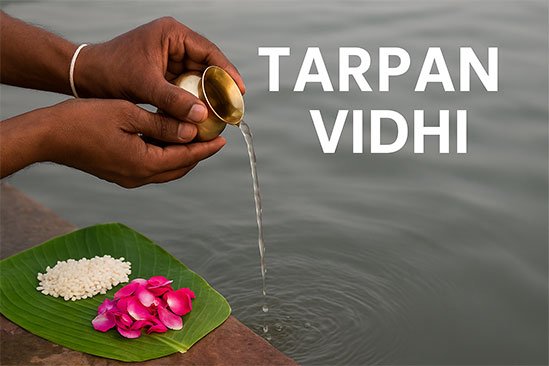
Tarpan Vidhi Meaning Importance is a subject often discussed in Indian households, especially during Pitru Paksha or special rituals dedicated to ancestors. Many people hear the word “tarpan” from elders but do not fully understand what it actually means. This simple guide explains the concept, its purpose, and how tarpan is performed in a traditional yet easy-to-follow manner.
Table of Contents
What is Tarpan Vidhi
Tarpan is an ancient Vedic ritual performed to express gratitude and offer water to ancestors, gods, sages, and other divine energies. The word “tarpan” comes from the Sanskrit root “trup,” meaning satisfaction. It is believed that by offering water with sincere feelings, ancestors receive peace, blessings, and spiritual nourishment.
Tarpan is usually done on specific days such as Pitru Paksha, Amavasya, solar and lunar eclipses, and during important family rituals. Many people also perform it daily as part of their Sandhya Vandana practice.
Why Tarpan is Important
The tradition of tarpan is deeply connected with the belief that ancestors guide and protect the family from the spiritual realm. When their souls are remembered with respect, the family is believed to receive blessings such as peace, prosperity, health, and emotional harmony.
The importance of tarpan can be understood through a few points:
-
It strengthens family lineage and ancestral connection.
-
It helps bring mental peace by acknowledging those who came before us.
-
It is considered a way to remove Pitru Dosha when performed sincerely.
-
It reminds us of gratitude and humility in everyday life.
When Tarpan is Performed
Although Pitru Paksha is known as the most important time for tarpan, it can also be done on:
• Amavasya
• Solar and lunar eclipses
• Birth or death anniversaries of family members
• Ganga Dashara or holy river festivals
• Daily morning rituals for those who follow Vedic practices
Simple Tarpan Vidhi at Home
Tarpan does not always require elaborate arrangements. It can be performed simply and peacefully:
-
Sit facing south, as this direction is associated with ancestors.
-
Keep clean water in a small copper or steel vessel.
-
Add black sesame seeds if available.
-
Take water in your right hand’s palm, called the “tarpan mudra”.
-
Slowly offer water while chanting any short prayer or simply remembering your ancestors with respect.
-
Repeat the offering a few times with a calm mind.
-
At the end, pray for peace and guidance for your family.
Even a short and heartfelt tarpan is considered meaningful when done with devotion.
Types of Tarpan
There are several types of tarpan mentioned in scriptures, but the most common ones are:
1. Deva Tarpan
Water is offered to gods and divine energies as a gesture of blessing.
2. Rishi Tarpan
Dedicated to sages and spiritual teachers who contributed knowledge to humanity.
3. Pitru Tarpan
The most widely practiced form, offered specifically to ancestors.
4. Atithi Tarpan
Performed to honor guests or holy souls who visit or guide spiritually.
Beliefs Connected with Tarpan Vidhi
Many traditions say that performing tarpan with a sincere heart brings harmony and reduces emotional heaviness connected with memories. It is also believed that when ancestors are satisfied, family life becomes more stable and obstacles begin to reduce naturally. These beliefs have been passed down for generations because people experience a sense of peace after performing the ritual.
Conclusion
Tarpan Vidhi may appear like a simple act of offering water, but it carries deep cultural and spiritual meaning. It teaches gratitude, humility, and remembrance of those who paved the path for us. Whether done during Pitru Paksha or on any important day, tarpan helps bring a quiet sense of
You may also like to read –
