


Table of Contents
What is Chin Mudra?
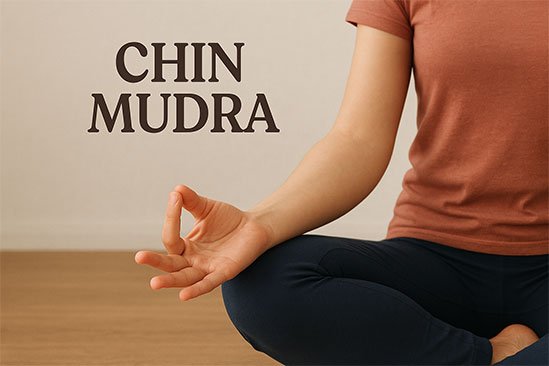
Chin Mudra is a common hand gesture used in yoga, meditation, and pranayama. It is formed by joining the tip of the thumb and index finger while keeping the other three fingers relaxed. The palms usually face upward and rest on the knees. This Mudra is often practiced during seated meditation because it helps the mind settle and supports awareness.
In yogic understanding, the thumb represents universal energy, and the index finger represents individual consciousness. When these two come together, it symbolically supports connection and balance.
How to Practice It
Chin Mudra is easy to practice and does not require any special preparation.
-
Sit comfortably in Sukhasana, Padmasana, or on a chair
-
Keep the spine straight and shoulders relaxed
-
Rest the hands on the knees with palms facing upward
-
Gently touch the tip of the thumb and index finger
-
Keep the remaining fingers naturally extended
-
Close your eyes and breathe slowly
-
Stay in the mudra for 10–30 minutes
This mudra can also be practiced during pranayama or quiet sitting.
Chin Mudra Benefits
Regular practice of this Mudra may offer several benefits:
• Helps calm the nervous system
• Improves focus and concentration
• Supports deeper meditation
• Reduces mental restlessness
• Encourages emotional balance
• Helps in developing self-awareness
These effects are subtle and become more noticeable with consistent practice.
Chin Mudra Side Effects
Chin Mudra is generally safe for most people. However, practicing for very long durations without breaks may sometimes cause mental over-alertness, especially at night. It is best to observe how the body and mind respond and adjust the duration accordingly.
Chin Mudra and Meditation
This Mudra is widely used during meditation because it creates a stable and relaxed posture. When combined with slow breathing, it helps deepen inner stillness and awareness. Many people find it easier to stay focused during meditation when using this mudra.
Chin Mudra is a gentle and meaningful yogic practice. It requires no physical effort yet supports calmness, focus, and mental clarity. With regular practice, this simple hand gesture can become a helpful part of daily meditation or yoga routines.
You may also like to read –
Prana Mudra: The Yogic Hand Gesture to Awaken Inner Energy
