


Table of Contents
What is Gyan Mudra?
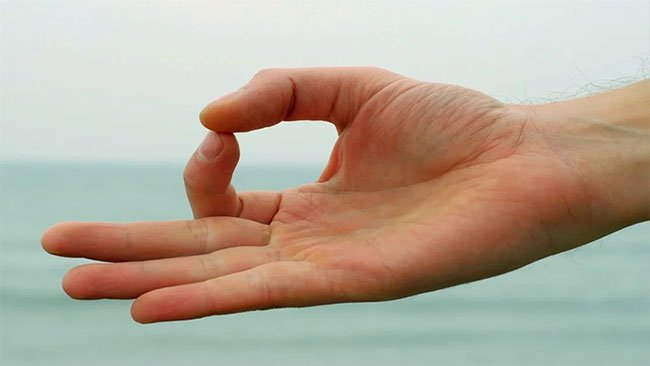
Gyan Mudra is one of the most widely practiced hand gestures in yoga and meditation. It is formed by joining the tip of the thumb and the index finger while keeping the other three fingers relaxed. This simple gesture is believed to help improve concentration, calm the mind, and bring clarity in thoughts. Many people use it during meditation or pranayama because it supports mental balance and inner awareness.
How to Do Gyan Mudra
Gyan Mudra is very easy to perform and can be practiced anywhere. Here are the simple steps:
-
Sit comfortably in Sukhasana, Padmasana or Vajrasana.
-
Rest your hands on your knees with palms facing upward.
-
Gently touch the tip of your index finger to the tip of your thumb.
-
Keep the remaining three fingers naturally extended.
-
Close your eyes and breathe slowly.
-
Stay in this mudra for 10–30 minutes.
This mudra can also be practiced while walking, standing, or even sitting on a chair.
Benefits of Gyan Mudra
Practicing Gyan Mudra regularly is believed to offer several mental and emotional benefits:
- Helps improve concentration and memory
- Supports better focus during meditation
- Reduces stress and overthinking
- Promotes emotional balance
- Helps in calming the mind before sleep
- May support learning and creativity
These effects are subtle but become more noticeable with daily practice.
Best Time to Practice
Although Gyan Mudra can be performed at any time, it is considered ideal to do it early in the morning, during meditation or pranayama. Even a short practice of 10 minutes daily can make a noticeable difference in mental calmness.
Gyan Mudra Side Effects
Gyan Mudra is generally safe and does not cause side effects. However, practicing it for very long periods without proper relaxation may sometimes make the mind overly alert, especially at night. It is better to practice for shorter durations if someone feels restless or has trouble sleeping.
Final Thoughts
Gyan Mudra is simple yet powerful. It helps bring clarity, peace, and inner stability with very little effort. Including this mudra in daily meditation or breathing practice can support a calm and balanced mind throughout the day.
You may also like to read –
