


Table of Contents
What are Mudras in Yoga?
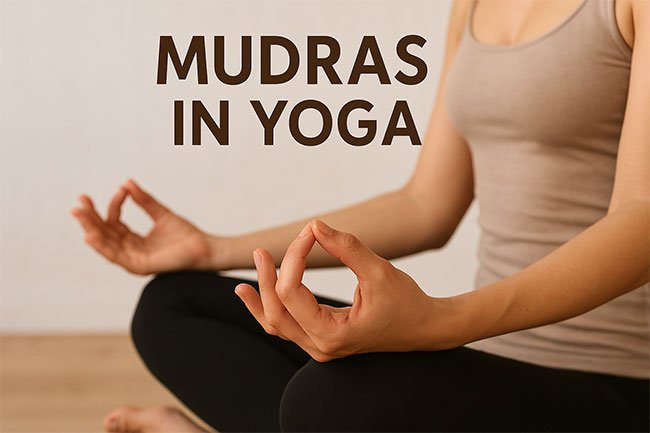
Mudras in yoga are simple hand gestures that help guide energy within the body. The word mudra comes from Sanskrit and means gesture or seal. These gestures are often practiced during meditation, pranayama, or quiet sitting. Even though mudras look simple, they are believed to influence the flow of prana, or life energy, in subtle ways.
In yogic tradition, the fingers are connected to the five elements. When the fingers are joined in specific ways, they help create balance between the body, breath, and mind. This is why mudras are considered an important part of yoga and meditation practices.
Importance of Mudras in Yoga Practice
Mudras play a quiet but powerful role in yoga. They help settle the mind and support deeper awareness without physical effort. Unlike postures that work on muscles and joints, mudras work on the energy level. They are easy to practice and can be done by people of all ages.
Regular practice of mudras helps improve concentration, emotional balance, and inner calm. Many practitioners find that mudras make meditation more stable and peaceful.
Common Types of Mudras in Yoga
There are many mudras mentioned in yogic texts, but some are more commonly practiced.
Gyan Mudra
This mudra is formed by joining the tip of the thumb and index finger. It is often used during meditation to improve focus and mental clarity.
Prana Mudra
Prana Mudra is practiced by touching the thumb with the ring and little fingers. It is believed to activate energy and reduce fatigue.
Chin Mudra
In Chin Mudra, the thumb and index finger touch while the palm faces upward. This mudra is commonly used in seated meditation and pranayama.
Apana Mudra
Apana Mudra is formed by joining the thumb with the middle and ring fingers. It is associated with cleansing and grounding energy.
Dhyana Mudra
Dhyana Mudra is a meditation mudra where both hands rest on the lap with palms facing upward. It supports deep meditation and stillness.
How to Practice Mudras in Yoga
Mudras can be practiced while sitting comfortably, preferably with the spine straight. They are often combined with slow breathing or meditation. The hands should remain relaxed, and there should be no tension in the fingers.
Mudras can be practiced for 10 to 30 minutes, depending on comfort. Consistency is more important than duration. Practicing daily brings better results over time.
Benefits of Mudras in Yoga
Regular practice of mudras in yoga may offer several benefits:
• Helps calm the mind
• Improves concentration
• Supports meditation
• Balances energy flow
• Reduces stress and restlessness
• Enhances mind-body awareness
These benefits develop gradually with regular and mindful practice.
Final Thoughts
Mudras in yoga are a gentle yet meaningful practice. They do not require physical strength or flexibility, yet they work deeply on the inner level. By including mudras in daily yoga or meditation, it becomes easier to experience calmness, focus, and balance. With patience and regular practice, these simple gestures can quietly support overall well-being.
You may also like to read –
Prana Mudra: The Yogic Hand Gesture to Awaken Inner Energy
