


Table of Contents
Dronasana (Ubhaya Padangusthasana) – Steps, Benefits & Precautions
Dronasana, also known as Ubhaya Padangusthasana, is a unique yoga posture that strengthens the core, improves digestion, and enhances balance. The name comes from Sanskrit:
-
Ubhaya = both
-
Padangustha = big toes
This pose creates a “circuit” in the body by connecting the fingers with the toes while balancing on the buttocks. Dronasana is also considered a variation of Naukasana (Boat Pose) due to its balancing nature.
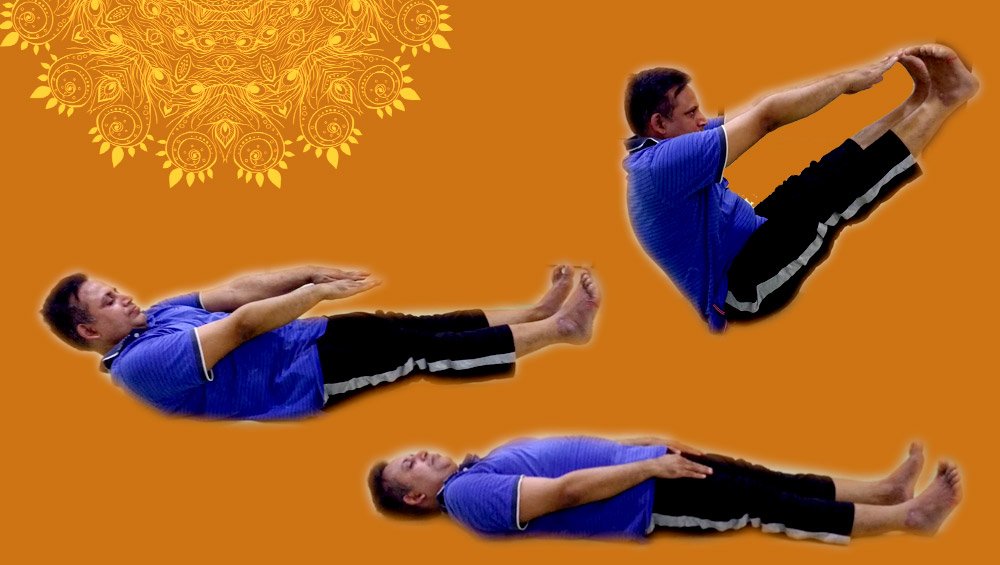
How to Practice Dronasana (Ubhaya Padangusthasana) – Step by Step
-
Spread a yoga mat and lie flat on your back (supine position).
-
Inhale deeply and hold the breath.
-
Raise your legs, shoulders, head, and trunk off the ground.
-
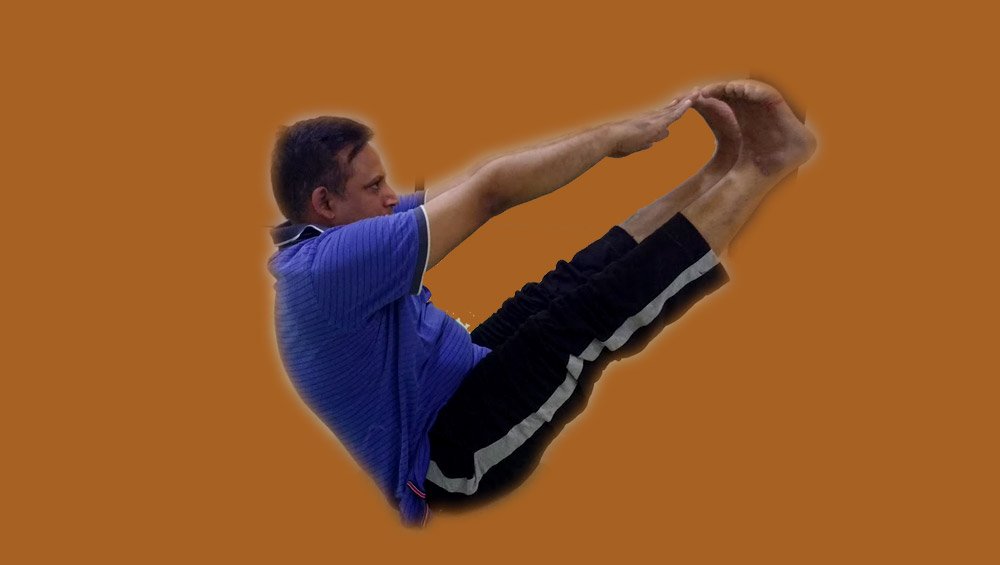
Bring your toes close to your fingers or touch them directly.
-
Balance the body weight on your buttocks.
-
Keep your gaze fixed on the toes.
-
Stay in the final position as long as comfortable, without straining.
-
Breathe out and slowly return to the starting position.
-
Relax completely in Savasana.
⚡ Tip: Focus on engaging the abdominal muscles for stability and strength.
Droanasana (Ubhaya Padangusthasana) Benefits
-
Strengthens abdominal muscles and improves core stability.
-
Removes excess belly fat and tones the stomach.
-
Softens abdominal tightness and improves flexibility.
-
Stimulates the digestive system, reducing gas and constipation.
-
Enhances concentration and mental focus.
-
Supports prostate gland health in men.
-
Improves overall balance and body awareness.
Contraindications of Dronasana
Avoid this pose if you have:
-
Severe headaches or migraine issues.
-
Spinal disorders or chronic back pain.
-
Weak abdominal muscles or recent surgery in the abdominal region.
Note – Always practice under the guidance of a yoga instructor if you are a beginner.
Tips for Safe Practice
-
Perform this asana on an empty stomach or at least 3-4 hours after a meal.
-
Beginners can bend their knees slightly until flexibility improves.
-
Focus on breathing steadily once you hold the posture.
-
Gradually increase the duration of the final pose with regular practice.
Dronasana (Ubhaya Padangusthasana) is a powerful yoga pose that combines balance, strength, and awareness. Regular practice not only strengthens the core but also improves digestion, concentration, and overall energy levels. However, practitioners with spinal or severe headache issues should avoid this asana. With mindful practice, Dronasana can become a transformative addition to your yoga routine.
FAQs on Dronasana (Ubhaya Padangusthasana)
Q1. What is Dronasana in Yoga?
A1. Dronasana, also called Ubhaya Padangusthasana, is a balancing yoga pose performed by holding the big toes while sitting on the buttocks.
Q2. Is Dronasana good for belly fat?
A2. Yes, this pose puts pressure on the abdomen, helping reduce excess belly fat and improving core strength.
Q3. What is the difference between Naukasana and Dronasana?
A3. Both are balancing postures, but Dronasana involves holding the toes with the fingers, while Naukasana (Boat Pose) keeps arms stretched forward.
Q4. Who should not do Dronasana?
A4. People with migraines, spinal issues, or recent abdominal surgery should avoid this pose.
Other asanas that lie in this category are –
